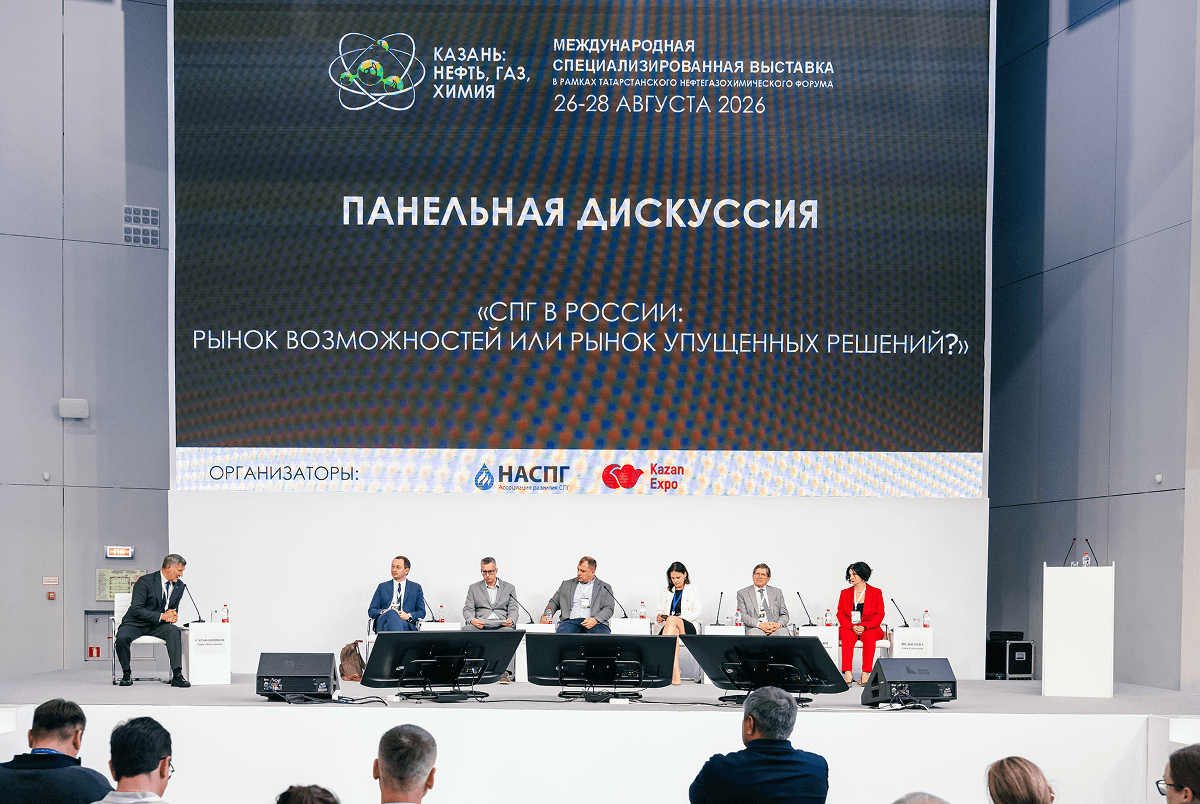
On 27 August, as part of the Tatarstan Petrochemical Forum — 2026 and the Kazan Oil, Gas & Chemistry International Petrochemical Exhibition, a panel discussion titled "LNG in Russia: A Market of Opportunities or a Market of Missed Decisions?" was held in Kazan, organized by the National Association of Liquefied Natural Gas (NALNG) and ANO Kazan Expo. The discussion focused on the development of domestic and international liquefied natural gas markets, technological solutions, infrastructure, digitalization, and key factors influencing the implementation of LNG projects in Russia.
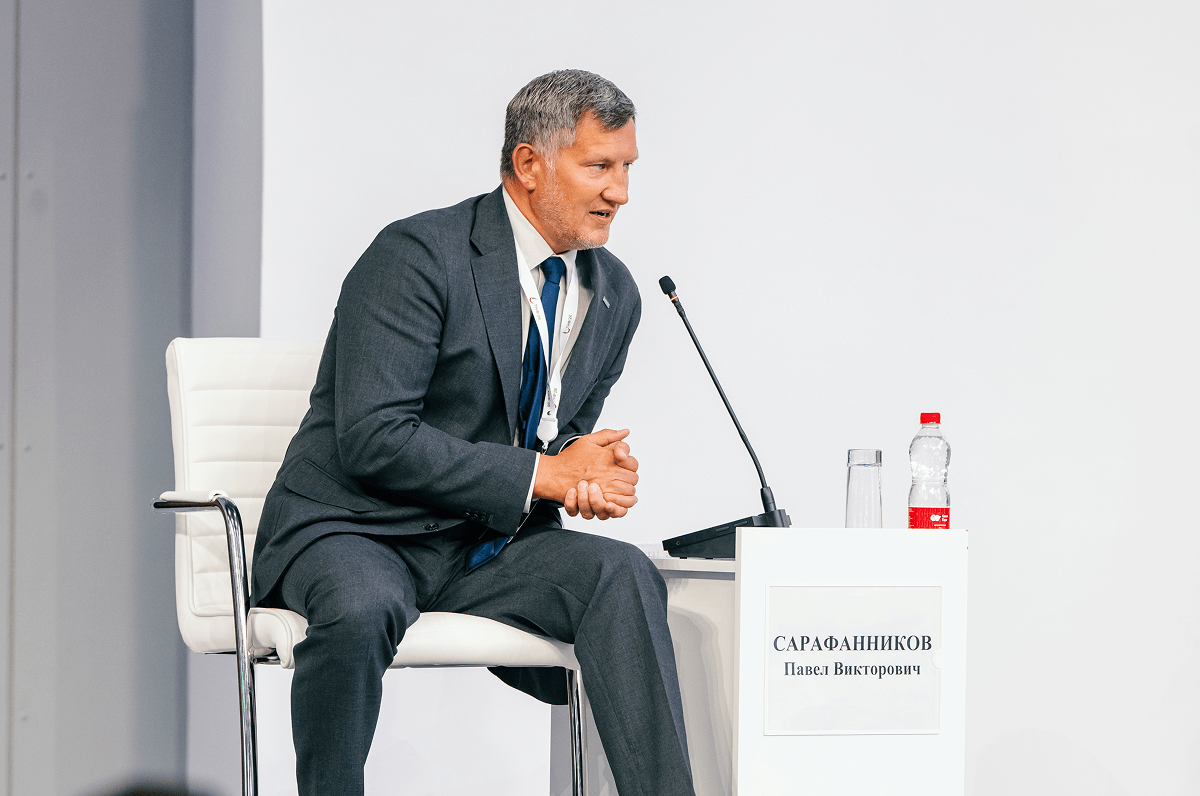
The moderator, Pavel Sarafannikov, President and Chairman of the Board of the National Association of Liquefied Natural Gas, noted that LNG today is becoming one of the most promising areas of modern energy development. According to him, further growth of the industry depends on building sustainable demand, advancing technologies and infrastructure, and creating conditions for launching new projects in both domestic and international markets.
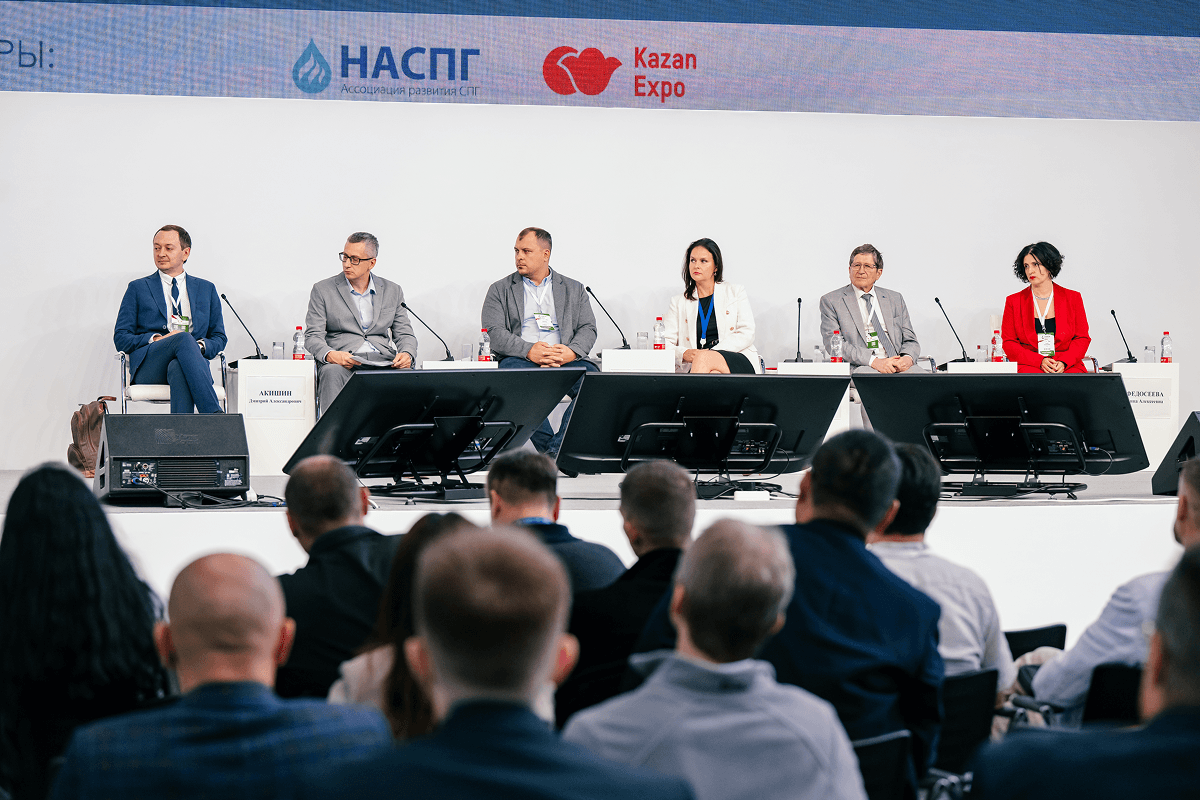
The discussion featured leading industry experts:
- Dmitry Akishin, Managing Director of the Implementa consulting company;
- Maria Ershova, Head of Oil and Gas Sales Unit, Sales Department at Cryogenmash JSC;
- Andrey Kurochkin, Deputy General Director of PEGAZ Research and Design Institute;
- Rustem Nurmukhametov, Head of Research Department No.14 at the Branch of the Federal State Unitary Enterprise "D.I.Mendeleev All-Russian Research Institute of Metrology";
- Anna Fedoseeva, Product Director at Simpl Group;
- Andrey Sharipov, Technical Director of Rampetrogaz LLC.
During the conversation, experts examined the factors shaping the future of the Russian LNG market — from sustainable demand and project economics to technological independence, infrastructure, and logistics. Participants also addressed the role of government support and standardization, in their view, regulatory measures should help eliminate systemic barriers rather than create new constraints for businesses.
The discussion extended beyond LNG production itself. Experts identified segments where liquefied natural gas could secure the most resilient demand: primarily shipping, heavy and mining equipment, and, in the long term, rail transport. For large-scale LNG, logistics and the ability to export products to promising markets remain among the key challenges.
In their closing remarks, experts pointed out that no single cause determines the pace of development in the Russian LNG market. Demand is tied to project economics, scalability, logistics, and the willingness of market participants to coordinate their actions. As a result, the industry’s continued evolution requires systemic solutions that account for the entire value chain — from production and technology to the end consumer and destination market.
Based on the results of the roundtable, NALNG will systematize the proposals raised at the event and identify focus areas requiring further work together with market participants and the Expert Council of the Association.